
When you embark on the journey of training your dog, it’s essential to recognize that this process is not merely a short-term endeavor. Long-term training is crucial for fostering a well-behaved and balanced canine companion. You may find that the initial excitement of teaching your dog basic commands can quickly fade if you don’t commit to ongoing training.
Dogs thrive on routine and structure, and by engaging in long-term training, you are providing them with the mental stimulation they need to remain happy and healthy. This commitment not only enhances their skills but also helps to reinforce good behavior over time. Moreover, long-term training allows you to adapt to your dog’s evolving needs as they grow and mature.
Just as you continue to learn and develop throughout your life, your dog will also benefit from ongoing education. You might notice that certain behaviors emerge as your dog ages, and long-term training gives you the tools to address these changes effectively. By investing time in continuous training, you are not only shaping your dog’s behavior but also enriching your relationship with them, creating a deeper bond built on trust and understanding.
Key Takeaways
- Long-term training is important for building a strong and lasting bond with your dog.
- Setting realistic goals for your dog’s training helps to keep expectations in check and ensures steady progress.
- Consistency in training is crucial for reinforcing good behavior and maintaining a regular schedule helps to establish routine.
- Training is a great way to build a strong bond with your dog and create a positive and trusting relationship.
- Positive reinforcement techniques are effective in training and help to encourage good behavior in your dog.
Setting Realistic Goals for Your Dog’s Training
Breaking Down the Training Process
Start with achievable objectives, such as mastering basic commands like “sit,” “stay,” or “come.
Considering Your Dog’s Unique Needs
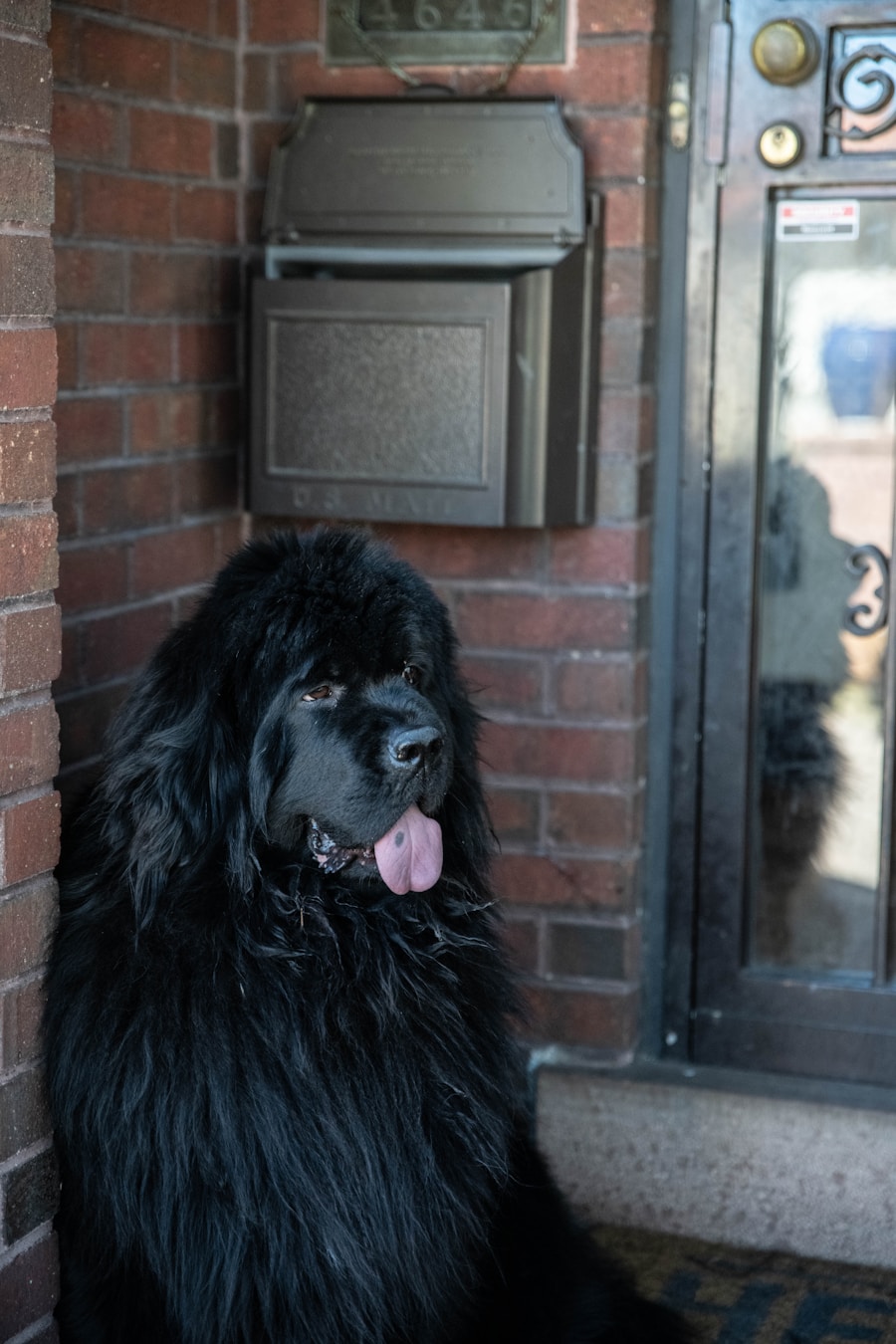
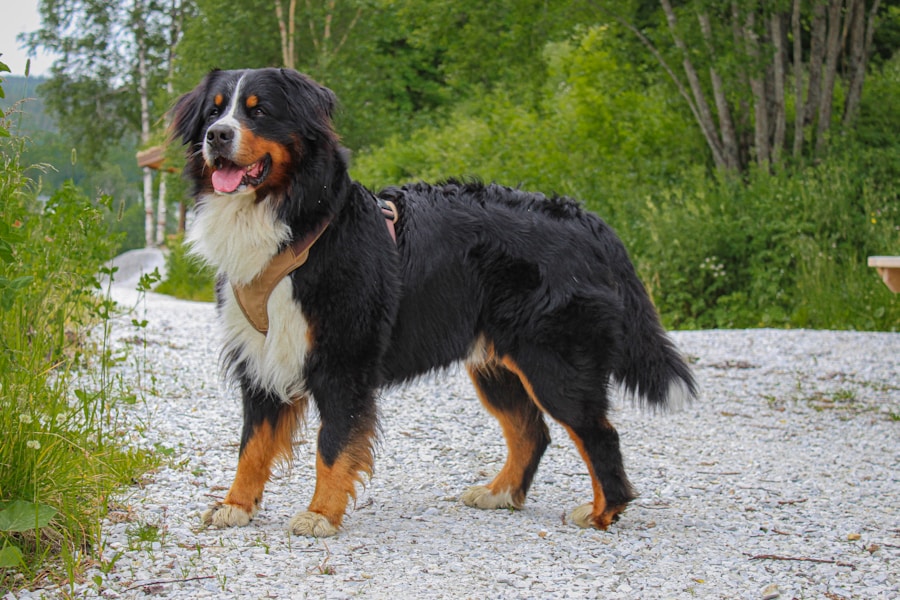
Additionally, consider your dog’s age, breed, and temperament when setting these goals. Some breeds are naturally more inclined to learn quickly, while others may require more patience and repetition. By tailoring your expectations to fit your dog’s unique personality, you can create a more effective training plan.
The Journey of Training
This approach not only fosters a sense of accomplishment for both you and your dog but also helps to build confidence in their abilities. Remember, the journey of training is just as important as the destination, so take the time to enjoy each milestone together.
Consistency is Key: Maintaining a Regular Training Schedule
One of the most critical aspects of successful dog training is consistency. Establishing a regular training schedule will help reinforce the behaviors you want to encourage while minimizing confusion for your dog. You might find it helpful to set aside specific times each day dedicated solely to training sessions.
These sessions don’t have to be lengthy; even short, focused periods of 10 to 15 minutes can be incredibly effective if done consistently. By making training a part of your daily routine, you create an environment where learning becomes second nature for your dog. In addition to scheduling regular training sessions, consistency in your commands and cues is equally important.
Using the same words and gestures for specific commands will help your dog understand what you expect from them. If you occasionally change commands or use different phrases for the same action, it can lead to confusion and frustration for both of you. By maintaining a consistent approach in your training methods, you will foster a clearer line of communication with your dog, ultimately leading to more successful outcomes.
Building a Strong Bond with Your Dog Through Training
Training is not just about teaching commands; it’s also an opportunity for you to strengthen the bond between you and your dog. Engaging in training sessions allows you to spend quality time together, fostering trust and mutual respect. As you work through various exercises, you’ll begin to understand your dog’s personality and preferences better, which can enhance your relationship significantly.
This shared experience creates a foundation of companionship that extends beyond mere obedience. Moreover, as you celebrate successes during training, whether big or small, you reinforce the idea that learning is a positive experience. Your encouragement and praise will help your dog feel more secure and confident in their abilities.
This emotional connection is vital; when your dog knows they can rely on you for guidance and support, they are more likely to respond positively during training sessions. Ultimately, the bond you build through training will lead to a more harmonious life together.
Using Positive Reinforcement Techniques for Effective Training
Positive reinforcement is one of the most effective methods for training dogs. This technique involves rewarding desired behaviors rather than punishing unwanted ones. When you use treats, praise, or playtime as rewards for good behavior, you create a positive association in your dog’s mind.
They learn that following commands leads to enjoyable outcomes, which encourages them to repeat those behaviors in the future. You may find that using high-value treats—something particularly special that your dog loves—can significantly enhance their motivation during training sessions. Incorporating positive reinforcement into your training routine also helps create a more enjoyable experience for both you and your dog.
Instead of focusing on corrections or negative consequences, you can celebrate successes together. This approach fosters a sense of teamwork and collaboration between you and your furry friend. As you witness their progress and enthusiasm during training, you’ll likely find that both of you look forward to these sessions as a fun bonding activity rather than a chore.
Overcoming Challenges and Setbacks in Training
Training is rarely a linear process; challenges and setbacks are part of the journey. You may encounter moments when your dog seems unresponsive or struggles with specific commands despite your best efforts. It’s essential to approach these challenges with patience and understanding.
Remember that every dog has their own learning curve, and what works for one may not work for another. If you find yourself facing difficulties, take a step back and reassess your approach. Sometimes, changing your method or breaking down tasks into smaller steps can make all the difference.
Additionally, maintaining a positive mindset during challenging times is crucial. Frustration can lead to negative interactions between you and your dog, which can hinder progress. Instead of viewing setbacks as failures, consider them opportunities for growth—for both of you!
By remaining calm and encouraging during tough moments, you reinforce the idea that learning is a process filled with ups and downs. This perspective not only helps keep morale high but also teaches your dog resilience in the face of challenges.
Seeking Professional Help When Needed
While many aspects of dog training can be managed independently, there may come a time when seeking professional help becomes necessary. If you find yourself struggling with specific behavioral issues or if your dog exhibits signs of anxiety or aggression, consulting a professional trainer or behaviorist can provide valuable insights and guidance. These experts have extensive experience working with various breeds and temperaments, allowing them to tailor their approach to meet your dog’s unique needs.
Professional trainers can also offer support in developing a structured training plan that aligns with your goals while addressing any challenges you’re facing. They can provide hands-on demonstrations and feedback that can enhance your understanding of effective techniques. Remember that seeking help is not a sign of failure; rather, it demonstrates your commitment to providing the best possible care for your dog.
By collaborating with professionals, you can ensure that both you and your furry companion are on the right path toward success.
Celebrating Milestones and Progress in Your Dog’s Training
As you navigate the journey of training your dog, it’s essential to take time to celebrate milestones along the way. Recognizing progress—no matter how small—can boost motivation for both you and your dog. Whether it’s mastering a new command or simply showing improved behavior in certain situations, acknowledging these achievements reinforces positive experiences associated with training.
You might consider keeping a journal or charting progress visually; this can serve as a tangible reminder of how far you’ve come together. Celebrating milestones doesn’t have to be elaborate; even simple gestures like extra playtime or a special treat can make a significant impact on your dog’s enthusiasm for learning. By creating an environment where accomplishments are recognized and rewarded, you foster a sense of pride in both yourself and your furry friend.
This positive reinforcement encourages continued growth and development while solidifying the bond between you two as partners in this rewarding journey of training. In conclusion, the journey of training your dog is one filled with opportunities for growth, connection, and joy. By understanding the importance of long-term commitment, setting realistic goals, maintaining consistency, building bonds through positive reinforcement, overcoming challenges together, seeking professional help when necessary, and celebrating milestones along the way, you create an enriching experience for both yourself and your beloved canine companion.
Embrace this journey with patience and love; it will undoubtedly lead to a deeper understanding of each other and a more fulfilling life together.
If you’re looking to improve your dog’s training, you may also want to consider investing in a high-quality dog mattress. A comfortable bed can help your furry friend get a good night’s sleep, which can in turn improve their behavior and training.



Leave a comment
You must be logged in to post a comment.