
When you embark on the journey of training your dog, understanding the purpose of long training leads is essential. These leads serve as a bridge between the freedom of off-leash play and the control that comes with traditional leashes. Long training leads typically range from 15 to 50 feet in length, allowing your dog to explore their environment while still being under your supervision.
This setup is particularly beneficial for teaching recall, as it gives your dog the opportunity to wander and engage with their surroundings while still being tethered to you. Moreover, long training leads are invaluable for building a strong bond between you and your dog. They provide a safe way for your dog to experience new sights, sounds, and smells without the risk of running off or getting into trouble.
By using a long lead, you can encourage your dog to be more independent while still maintaining a level of control. This balance is crucial for developing a well-rounded and confident canine companion.
Key Takeaways
- Long training leads are designed to give dogs more freedom while still maintaining control during training sessions.
- When choosing a long training lead, consider the material, length, and weight of the lead to ensure it suits your dog’s size and training needs.
- Proper fitting and adjusting of the long training lead is crucial to prevent tangling, dragging, or injury to the dog or handler.
- Safety precautions such as using a harness, avoiding entanglement hazards, and supervising the dog at all times should be followed when using long training leads.
- Training techniques like recall training, boundary training, and leash manners can be effectively practiced using long training leads.
Choosing the Right Long Training Lead for Your Dog
Material Matters
For instance, nylon leads are lightweight and easy to handle, making them a popular choice for many dog owners. However, if your dog is a chewer, you might want to consider a more robust material like biothane, which is resistant to wear and tear.
Length Considerations
Another important factor to consider is the length of the lead. Depending on your training goals and your dog’s behavior, you may prefer a longer or shorter lead. A 30-foot lead is often ideal for most training scenarios, providing ample space for your dog to roam while still allowing you to maintain control. However, if you’re working in a more confined area or with a particularly excitable dog, a shorter lead may be more appropriate.
Matching Your Dog’s Needs
Ultimately, the right long training lead should match your dog’s size, temperament, and the specific training exercises you plan to implement.
Properly Fitting and Adjusting the Long Training Lead
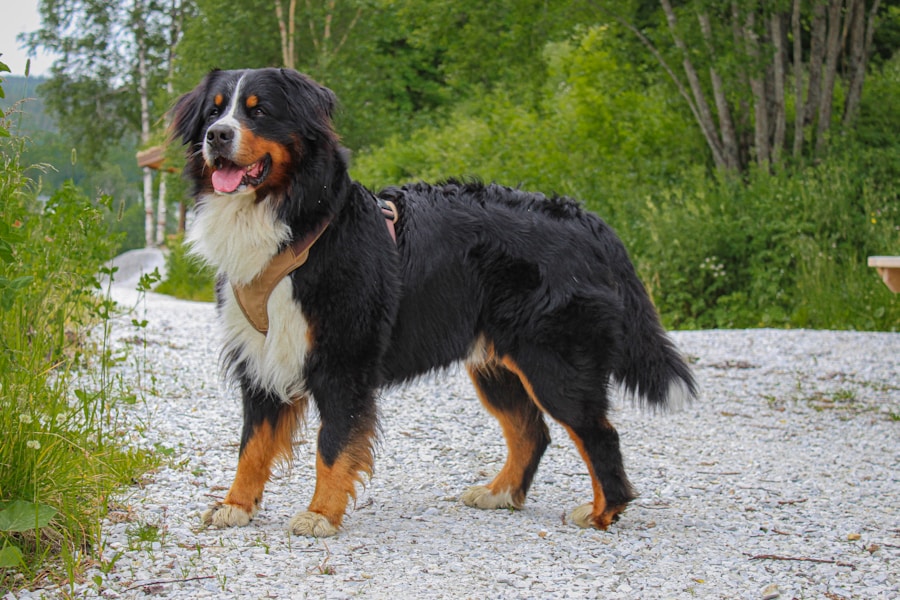
Once you’ve chosen the right long training lead, it’s crucial to ensure that it is properly fitted and adjusted for optimal use. Start by attaching the lead to your dog’s harness or collar securely. A harness is often recommended for long leads, as it distributes pressure more evenly across your dog’s body and reduces the risk of injury.
Make sure that the harness fits snugly but not too tight; you should be able to fit two fingers between the harness and your dog’s skin. Adjusting the lead itself is also important for effective training. If your lead has a clip or buckle that allows for length adjustments, take advantage of this feature based on your training environment.
For instance, if you’re in an open area where your dog can safely explore, you might want to extend the lead fully. Conversely, in more crowded or distracting environments, keeping the lead shorter can help maintain focus during training sessions. Proper fitting and adjustment not only enhance safety but also contribute to a more productive training experience.
Safety Precautions and Best Practices for Using Long Training Leads
Using long training leads comes with its own set of safety precautions and best practices that you should always keep in mind. First and foremost, always supervise your dog while they are on a long lead. Even though these leads provide more freedom, they can also lead to potential hazards if you’re not vigilant.
Be aware of your surroundings—watch out for other dogs, people, or any obstacles that could pose a risk to your dog’s safety. Additionally, it’s wise to choose an appropriate location for using long training leads. Open fields or designated dog parks are ideal settings where your dog can roam freely without the risk of running into traffic or other dangers.
Avoid using long leads in crowded areas or near busy roads where distractions could lead to accidents. By adhering to these safety precautions and best practices, you can create a secure environment that fosters effective training while keeping your dog safe.
Training Techniques and Exercises for Long Training Leads
When it comes to utilizing long training leads effectively, various techniques and exercises can enhance your dog’s learning experience. One of the most fundamental exercises is recall training.
Reward them with treats or praise when they come back, reinforcing the behavior you want to see. This exercise not only teaches your dog to return when called but also builds their confidence in exploring their environment. Another effective technique is practicing “leave it” commands while on a long lead.
This exercise helps teach impulse control by encouraging your dog to ignore distractions in their environment. When you notice something that might catch your dog’s attention—like another animal or an interesting smell—use the “leave it” command while gently guiding them away with the lead. Reward them when they comply, reinforcing their ability to focus on you rather than distractions.
Incorporating these techniques into your training sessions will help solidify essential commands while allowing your dog to enjoy their newfound freedom.
Troubleshooting Common Issues with Long Training Leads
Tangling: A Common Problem
One frequent problem with long training leads is tangling. These leads can easily become wrapped around objects or even around your dog’s legs. To minimize this issue, practice keeping the lead taut while walking or running with your dog.
Addressing Distractions
Another common issue is a lack of focus from your dog during training sessions. If you find that your dog is easily distracted by their surroundings, consider using higher-value treats or toys as rewards to capture their attention better.
Creating an Optimal Learning Environment
Additionally, practice in quieter environments before gradually introducing more distractions as your dog becomes more proficient at following commands. By addressing these common issues proactively, you can ensure smoother training sessions and foster a more productive learning environment.
Transitioning from Long Training Leads to Off-Leash Training
Transitioning from long training leads to off-leash training is an exciting milestone in your dog’s development but requires careful planning and execution. Before making this leap, ensure that your dog has mastered essential commands such as “come,” “stay,” and “leave it.” Consistent practice with these commands on a long lead will build a solid foundation for off-leash freedom. Once you feel confident in your dog’s abilities, choose a safe and enclosed area for the initial off-leash experience—such as a fenced yard or a designated off-leash park.
Start by allowing them some freedom while remaining close by; this will help reinforce their understanding that they can explore but still need to return when called. Gradually increase their distance as they demonstrate reliability in responding to commands. Remember that patience is key during this transition; some dogs may take longer than others to adjust to off-leash freedom.
Maintenance and Care of Long Training Leads
Proper maintenance and care of long training leads are essential for ensuring their longevity and effectiveness in training sessions. After each use, inspect the lead for any signs of wear or damage—such as fraying or broken clips—and replace it if necessary. Regular cleaning is also important; most nylon leads can be washed with mild soap and water, while biothane leads can simply be wiped down with a damp cloth.
Storing your long training lead correctly will also prolong its life. Avoid leaving it exposed to direct sunlight for extended periods, as this can weaken the material over time. Instead, store it in a cool, dry place when not in use.
By taking these simple maintenance steps, you can ensure that your long training lead remains in excellent condition and continues to serve its purpose effectively throughout your dog’s training journey.
If you’re looking to provide the best comfort for your furry friend, you may want to check out the article Choosing the Perfect Dog Mattress. Just like choosing the right training lead is important for your dog’s training, ensuring they have a comfortable place to rest is essential for their overall well-being. This article offers tips and advice on selecting the ideal dog mattress for your pet’s needs.
FAQs
What are long training leads for dogs?
Long training leads for dogs are long, lightweight leashes that are typically between 15 and 50 feet in length. They are used for training purposes, allowing dogs to have more freedom while still being under control.
What are the benefits of using long training leads for dogs?
Long training leads allow dogs to have more freedom to roam and explore while still being under the control of their owner. They are useful for training recall, distance commands, and teaching dogs to stay within a certain area.
How do you choose the right long training lead for your dog?
When choosing a long training lead for your dog, consider the length, material, and weight of the lead. The length should be appropriate for your training needs, the material should be durable and lightweight, and the weight should be manageable for both you and your dog.
How should long training leads be used safely?
Long training leads should be used in open, safe areas away from traffic, obstacles, and other hazards. It’s important to supervise your dog at all times while using a long training lead and to avoid allowing the lead to become tangled or wrapped around objects.
What are some tips for using long training leads effectively?
When using long training leads, start in a quiet, distraction-free environment and gradually increase the level of distraction as your dog becomes more proficient. Use positive reinforcement and rewards to encourage desired behaviors, and be patient and consistent in your training efforts.



Leave a comment
You must be logged in to post a comment.